_edited_edited.png)
How to Clean Mushrooms
- Dec 7, 2025
- 10 min read
Mushrooms are culinary powerhouses, earthy, savory, and versatile enough to elevate everything from a simple weeknight stir-fry to an elegant risotto. But before they hit the pan, there's one critical step: cleaning them properly. Get it wrong, and you're left with soggy, flavorless fungi that steam instead of sear. Get it right, and you preserve that meaty texture and concentrated flavor.
The challenge? Mushrooms aren't like other vegetables. Their porous, sponge-like structure means they absorb water faster than you can say "portabella," which is why the cleaning method matters, a lot. Whether you've picked up standard button mushrooms from the grocery store or splurged on specialty varieties like lion's mane or blue oysters, each type has its own quirks when it comes to cleaning. And with so much conflicting advice out there, to wash or not to wash?, it's easy to feel confused.
In this guide, you'll learn exactly how to clean mushrooms of all types, from everyday cultivated varieties to specialty gourmet mushrooms. We'll clear up the debate around washing, show you what to do with pre-cut mushrooms, and share practical tips to keep your mushrooms fresh, flavorful, and ready to cook. Let's immerse.
Key Takeaways
Learning how to clean mushrooms properly preserves their meaty texture and prevents them from becoming waterlogged.
For most cultivated mushrooms, a quick wipe with a dry paper towel or soft brush is all you need to remove dirt.
If mushrooms are visibly dirty, a brief rinse under cool water followed by immediate drying is acceptable, especially when cooking.
Always clean mushrooms just before cooking to prevent moisture from causing spoilage or mushiness.
Different varieties like lion's mane, oyster, and king oyster mushrooms require gentle handling to maintain their delicate structure and flavor.
Avoid soaking mushrooms in water unless dealing with wild varieties, as their porous structure absorbs moisture rapidly and compromises browning.
How to Clean Mushrooms
The golden rule for mushroom cleaning is simple: handle them just before you're ready to cook. Cleaning too early can introduce moisture and speed up spoilage, so always wait until the last minute.
For most cultivated mushrooms, think button, cremini, portabella, oyster, chestnut, king oyster, and lion's mane, the best approach is gentle and minimal. Start by using a dry paper towel or a soft mushroom brush (you can find these at most kitchen supply stores) to wipe away any visible dirt or substrate. Most commercially grown mushrooms are cultivated in sterile, controlled environments, so they're usually pretty clean to begin with. A quick wipe-down is often all you need.

If your mushrooms look visibly dirty or have clumps of growing medium stuck to them, a brief rinse under cool running water is perfectly acceptable. The key word here is brief. Hold them under the tap for just a few seconds, then immediately pat them dry with a clean towel or paper towels. You want to minimize water exposure because mushrooms are like little sponges, they'll soak up moisture and turn mushy if you're not careful.
Avoid soaking mushrooms in a bowl of water unless you're dealing with particularly grimy wild varieties (more on that later). Soaking is a one-way ticket to bland, waterlogged mushrooms that'll steam in the pan instead of browning beautifully.
Now, let's break down the cleaning methods for specific mushroom types, because not all fungi are created equal.
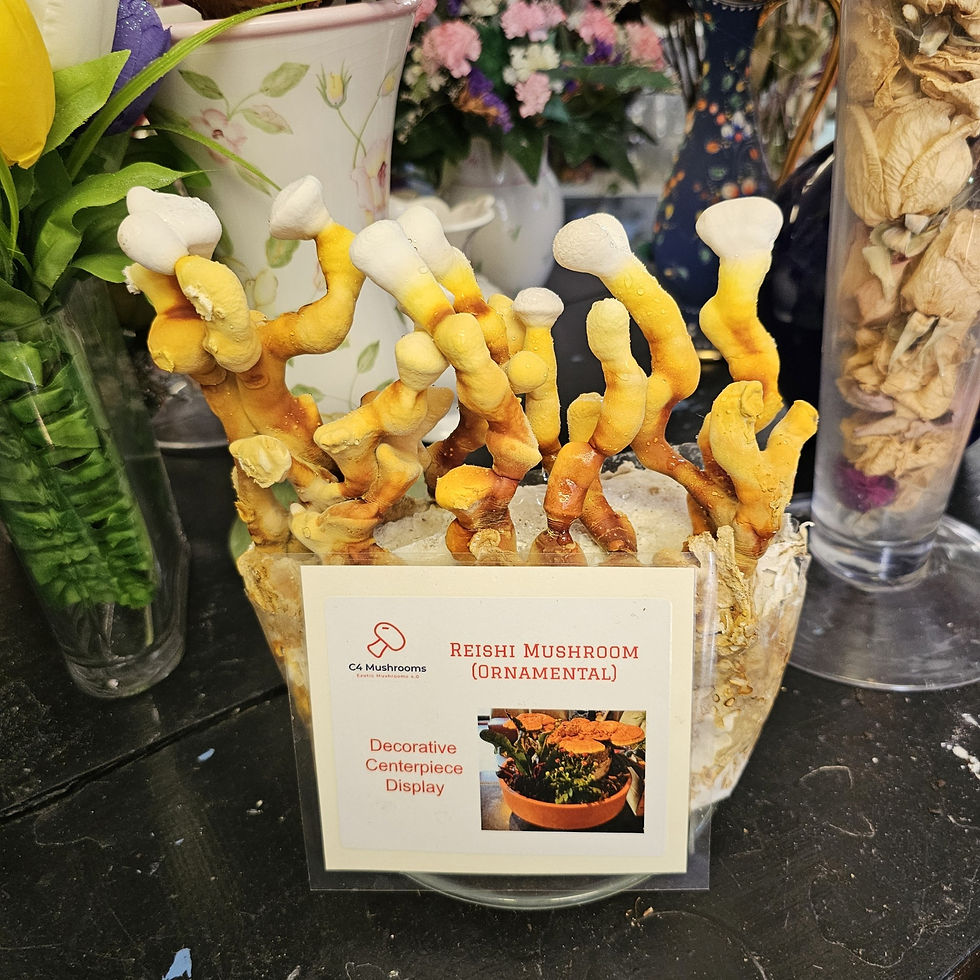
Reishi Mushrooms
Reishi mushrooms are the odd ones out in this lineup. Unlike the others, they're medicinal rather than culinary. You won't be sautéing these guys, they're tough, woody, and bitter. Instead, reishi mushrooms are typically dried and used to make teas, tinctures, or extracts.
Cleaning reishi is straightforward: use a dry brush to remove any dirt or debris from the surface. There's no need to rinse them, and you definitely shouldn't soak them. Since they're not eaten raw or cooked like food mushrooms, a simple brushing is all they need before you brew them into a wellness drink.
Blue Oyster Mushrooms
Blue oyster mushrooms are delicate and beautiful, with their soft, fan-like caps and subtle blue-gray hue. Handle them gently, they bruise easily.
Start by brushing off any loose debris with a dry paper towel or soft brush. If they look particularly dirty, a quick rinse under cool water is fine, but keep it short. Blue oysters often grow in clusters, so you may need to gently separate the individual mushrooms. Pat them dry thoroughly with a towel before cooking to avoid excess moisture in your pan.
Avoid soaking blue oysters. Their thin, delicate structure means they'll absorb water in seconds, turning limp and losing that satisfying, slightly chewy texture they're known for.
King Oyster Mushrooms
King oyster mushrooms are the heavyweights of the oyster family, thick, meaty stems and small caps. They're prized for their firm texture, which holds up beautifully in stir-fries, grilling, and roasting.
To clean king oysters, wipe the caps and stems with a damp cloth or paper towel. Pay special attention to the base of the stem, which often has dirt or growing medium clinging to it. Trim off the tough, dirty bottom portion with a sharp knife, it's usually about a quarter-inch or so.
If your king oysters are exceptionally dirty, a quick rinse is okay, but dry them well afterward. These mushrooms are dense enough to handle a bit more moisture than their delicate cousins, but you still don't want them waterlogged.
Yellow Oyster Mushrooms
Yellow oyster mushrooms are vibrant, cheerful, and packed with flavor. They're also fragile, so treat them with care.
Clean yellow oysters the same way you'd handle blue oysters: brush off debris with a dry towel or soft brush. If they're dirty, rinse them briefly under cool water, then gently separate the fronds and pat them dry thoroughly. These mushrooms cook quickly and have a delicate texture, so keeping them dry is essential for achieving a nice sear.
Just like with blue oysters, avoid soaking. Their thin structure means they'll turn to mush if you leave them in water for even a minute.
Chestnut Mushrooms
Chestnut mushrooms, also called brown clamshell mushrooms, have a rich, nutty flavor and a firm texture. They're often sold in small clusters and are generally quite clean.
Wipe them with a dry paper towel to remove any surface dirt. If they look dirty, a quick rinse followed by immediate drying will do the trick. Trim the stem end if it's soiled or tough, but otherwise, chestnuts are low-maintenance and ready to cook in no time.
Lion's Mane Mushrooms
Lion's mane mushrooms are show-stoppers, fluffy, white, and cascading like a waterfall. They have a seafood-like flavor and a tender, almost crab-like texture when cooked.
Cleaning lion's mane requires a light touch. Use a dry brush or paper towel to gently brush off any debris from the surface. If the mushroom is very dirty, you can rinse it briefly under cool water, but be gentle. After rinsing, squeeze the mushroom lightly to remove excess water, then pat it dry.
Avoid soaking lion's mane mushrooms. Their spongy structure absorbs water like crazy, and you'll end up with a soggy mess that won't brown properly in the pan.
Do You REALLY Need to Wash Mushrooms?
This question has sparked heated debates in kitchens for decades. Some cooks insist you should never wash mushrooms, while others rinse them without a second thought. So, what's the truth?
Here's the deal: cultivated mushrooms, the ones you buy at the grocery store, are grown in controlled, sterile environments. They're not rolling around in dirt: they're typically grown on a substrate made from composted materials or sawdust. As a result, most of the time, they're pretty clean already. A quick wipe with a dry towel or brush is usually all you need.
That said, washing is not the end of the world. If your mushrooms are visibly dirty, a brief rinse under cool water won't ruin them, especially if you're planning to cook them. The key is to keep it quick and dry them immediately. Studies have even shown that mushrooms don't absorb as much water as people think during a short rinse, though they do absorb some, which is why you should still minimize exposure.
If you're eating mushrooms raw, say, in a salad, brushing is the safer bet. Raw mushrooms that have been washed can taste watery and lose some of their delicate flavor and texture. But if you're sautéing, roasting, or grilling them, a quick rinse is perfectly acceptable when necessary.
Wild mushrooms are a different story. Foraged mushrooms like morels, chanterelles, or hen of the woods often come with dirt, bugs, and debris tucked into their nooks and crannies. In these cases, washing, or even a brief soak followed by thorough rinsing, is often necessary. Just make sure to dry them well before cooking.
Bottom line: brushing is usually enough for cultivated mushrooms, but washing is fine if they're dirty and you're cooking them. Use your judgment and don't stress too much, mushrooms are forgiving.
What About Cut Mushrooms, Should They Be Washed Too?
Pre-cut mushrooms are convenient, no doubt. But they do come with a downside: more surface area means more opportunity to absorb water, which can make them soggy and dilute their flavor.
Ideally, you should clean your mushrooms while they're still whole, then slice or chop them afterward. This minimizes water absorption and keeps them firmer and more flavorful.
But let's be real, sometimes you buy pre-sliced mushrooms from the store, or you've already cut your mushrooms and realized they're dirtier than you thought. What then?
If your cut mushrooms are dirty, you can still rinse them, but you need to work fast. Place them in a colander and rinse quickly under cool running water, then immediately spread them out on a clean towel or paper towels and pat them dry. Don't let them sit in water, get them in and out as quickly as possible.
Another option is to use a damp cloth to wipe each piece individually. It's a bit more time-consuming, but it gives you better control over moisture levels.
If you're cooking the mushrooms right away, especially at high heat, like in a stir-fry or sauté, a little residual moisture won't be a dealbreaker. The heat will evaporate it quickly. But if you're planning to store them or use them in a dish where texture matters (like a pizza topping), drying them thoroughly is crucial.
In short: clean mushrooms whole when possible, but if you're stuck with cut mushrooms that need washing, rinse fast and dry thoroughly.
Additional Tips for Cleaning Mushrooms
Now that you know the basics, here are a few extra tips to make cleaning mushrooms even easier and more effective:
Use a colander or mesh strainer for rinsing. If you're dealing with a big batch of mushrooms that need washing, place them in a colander and rinse them all at once under cool running water. This allows water to drain quickly and prevents mushrooms from sitting in a pool of moisture.
Dry mushrooms thoroughly. After rinsing, spread them out on paper towels or a clean kitchen towel and pat them dry. You can even let them air-dry for a few minutes if you have time. The drier your mushrooms, the better they'll brown and caramelize during cooking.
Trim dirty or tough parts of the stems. Mushroom stems can accumulate more dirt than the caps, especially at the base. Don't be afraid to trim off the bottom quarter-inch or so if it looks dirty or tough. For varieties like shiitake, you might want to remove the entire stem since it can be fibrous.
For very dirty wild mushrooms, a brief soak may be necessary. Morels, for example, are notorious for hiding dirt and even tiny insects in their honeycomb structure. In this case, you can soak them in a bowl of cool water for a minute or two, swish them around gently, then lift them out (don't pour them out, or you'll dump the dirt right back on them). Rinse thoroughly afterward and dry well.
Invest in a mushroom brush. These soft-bristled brushes are inexpensive and designed specifically for cleaning mushrooms. They're gentler than paper towels and more effective at getting into crevices.
Clean mushrooms just before cooking. We can't stress this enough. Cleaning mushrooms too early introduces moisture, which can make them slimy and shorten their shelf life. Wait until you're ready to use them.
Don't peel mushrooms. Some old-school recipes suggest peeling the cap skin off mushrooms, but there's no need. The skin is edible, flavorful, and contains nutrients. Plus, peeling is tedious and wasteful.
By following these tips, you'll keep your mushrooms in peak condition, clean, dry, and ready to deliver maximum flavor.
Final Thoughts
Cleaning mushrooms doesn't have to be complicated or stressful. For most cultivated varieties, a quick wipe with a dry towel or brush is all you need. If they're visibly dirty, a brief rinse followed by thorough drying works just fine, especially if you're cooking them. The key is to minimize water exposure and always clean mushrooms right before you use them.
Different mushroom types have slightly different needs, but the principles remain the same: be gentle, work quickly, and keep them dry. Whether you're working with everyday button mushrooms or specialty varieties like lion's mane or blue oysters, these simple techniques will help you preserve their texture, flavor, and quality.
And remember, there's no need to overthink it. Mushrooms are forgiving, and a little common sense goes a long way. So the next time you're prepping mushrooms for dinner, you'll know exactly what to do, no second-guessing required. Now get out there and cook some delicious fungi.
Frequently Asked Questions
How to clean mushrooms without making them soggy?
Use a dry paper towel or soft mushroom brush to wipe away dirt. If needed, rinse briefly under cool water for just a few seconds, then immediately pat dry. Avoid soaking mushrooms as their porous structure absorbs water quickly, leading to soggy texture.
Should you wash mushrooms before cooking or just brush them?
For most store-bought mushrooms, brushing with a dry towel is sufficient since they're grown in sterile environments. However, if visibly dirty, a quick rinse is acceptable as long as you dry them immediately and cook them soon after.
Can you clean mushrooms the night before cooking?
It's best to clean mushrooms just before cooking, not in advance. Cleaning too early introduces moisture that accelerates spoilage and can make mushrooms slimy, reducing their shelf life and affecting texture when cooked.
How do you clean wild mushrooms like morels?
Wild mushrooms often require more thorough cleaning than cultivated varieties. For morels and similar types, swish them in cool water for a minute, lift out gently, rinse thoroughly, and dry well before cooking to remove hidden dirt and debris.
Do mushrooms lose nutrients when you wash them?
Mushrooms retain most nutrients during a brief rinse. While washing may cause minimal water-soluble vitamin loss, the effect is negligible with quick rinsing. Proper drying after washing helps preserve texture and flavor without significant nutrient loss.