_edited_edited.png)
Do Mushrooms Have Protein?
- Dec 7, 2025
- 8 min read
You've probably heard mushrooms described as "meaty" and "satisfying," but when it comes to actual protein content, do they really measure up? If you're looking to boost your protein intake, whether you're vegetarian, vegan, or just trying to diversify your diet, you might be curious about what mushrooms bring to the table. The short answer is yes, mushrooms do contain protein. But before you start swapping your chicken breast for a pile of portobellas, there's more to the story. Fresh mushrooms offer moderate amounts of protein, while their dried counterparts pack a surprisingly concentrated punch. Let's dig into the details and find out if mushrooms can truly help you meet your protein goals.
Key Takeaways
Yes, mushrooms do have protein: fresh mushrooms contain 2–3 grams per 100 grams, while dried mushrooms pack 20–30 grams per 100 grams.
Mushroom protein is a complete protein, containing all nine essential amino acids with high digestibility, making it quality nutrition despite lower quantity in fresh forms.
Fresh mushrooms can't match meat's protein content gram-for-gram—chicken breast has 32 grams per 100 grams compared to mushrooms' 3 grams—but dried mushrooms approach meat-level protein density.
Mushrooms offer nutrient-rich benefits beyond protein, including B vitamins, selenium, potassium, dietary fiber, and vitamin D when UV-exposed, all for minimal calories.
Combining mushrooms with legumes, whole grains, tofu, or nuts creates balanced, protein-rich plant-based meals that leverage their complete amino acid profile effectively.
Are Mushrooms a Good Source of Protein?
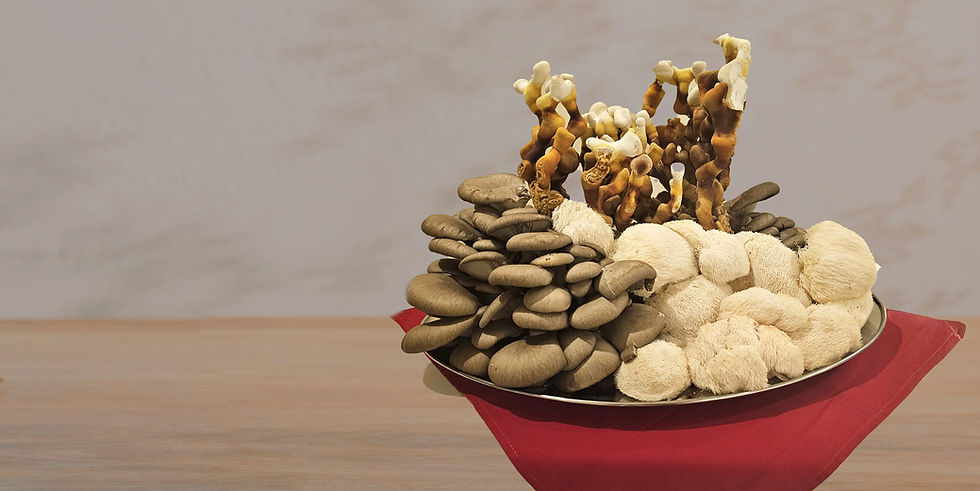
When you glance at a serving of fresh mushrooms, you're looking at roughly 2 to 3 grams of protein per 100 grams, that's about one cup, give or take. Depending on the variety, you might get slightly more or less, but the ballpark remains pretty consistent across common types like white button, cremini, and oyster mushrooms.
Now, compare that to meat. A 100-gram portion of chicken breast delivers around 32 grams of protein, while the same amount of cooked beef (80% lean) gives you about 17.5 grams. Even fish like cod clocks in at nearly 18 grams per 100 grams. Fresh mushrooms simply can't compete on a gram-for-gram basis with these animal sources.
But here's where it gets interesting: dried mushrooms are a completely different story. When you remove the water content, mushrooms are about 90% water when fresh, you're left with a concentrated nutrient powerhouse. Dried mushrooms average 20 to 30 grams of protein per 100 grams. That puts them in the same league as some animal proteins, at least by weight.
So, are mushrooms a good source of protein? Fresh mushrooms are moderate to low, best viewed as a supplement rather than a primary protein source. Dried mushrooms, on the other hand, can meaningfully contribute to your daily protein intake, especially if you're incorporating them regularly into meals.
Nutrients in Mushrooms
Protein isn't the only reason to love mushrooms. These fungi are incredibly nutrient-dense while remaining low in calories and fat. A cup of white button mushrooms contains only about 20 to 25 calories, making them an excellent choice if you're watching your calorie intake but still want satisfying, flavorful food.
Mushrooms also provide a solid dose of dietary fiber, which supports digestive health and helps you feel full longer. Beyond that, they're packed with B vitamins, particularly riboflavin, niacin, and pantothenic acid, which play crucial roles in energy metabolism and keeping your nervous system functioning smoothly.
Minerals? Mushrooms have those covered too. You'll find selenium, an antioxidant that supports immune function and thyroid health: copper, which aids in red blood cell formation: and potassium, essential for heart health and muscle function.
One of the coolest features of mushrooms is their ability to produce vitamin D when exposed to UV light. Most foods don't naturally contain vitamin D, so mushrooms that have been treated with UV light can be a rare plant-based source of this critical nutrient. If you live somewhere with limited sunlight or follow a plant-based diet, UV-exposed mushrooms can help fill that gap.
In short, mushrooms deliver a lot more than just protein. They're a low-calorie, nutrient-rich addition to your diet that punches well above its weight in terms of health benefits.
Quality of Mushroom Protein
It's not just about how much protein you eat, it's also about the quality. Protein quality is determined by two main factors: the amino acid profile and digestibility. On both counts, mushrooms perform surprisingly well.
Mushroom protein contains all nine essential amino acids, the building blocks your body can't produce on its own and must obtain from food. That makes mushroom protein a complete protein, which is relatively rare in the plant kingdom. Most plant proteins, like those from grains or legumes, lack one or more essential amino acids, requiring you to combine different sources to get the full spectrum.
Research shows that the amino acid profiles in mushrooms meet substantial proportions of your daily needs for several essential amino acids. Plus, mushroom protein is highly digestible, meaning your body can efficiently break it down and absorb those amino acids.
This high quality sets mushrooms apart from many other plant-based protein sources. While they may not deliver huge quantities of protein in their fresh form, what they do provide is top-notch. If you're blending mushrooms with other protein sources, especially legumes, nuts, or whole grains, you're building a robust, complete amino acid profile that supports muscle repair, immune function, and overall health.
So don't overlook mushrooms just because they're not protein-heavy. The protein they offer is efficient, effective, and worthy of a spot in your diet.
Can't Consume Animal Protein? Mushrooms Are A Great Substitute
If you're vegetarian, vegan, or simply trying to cut back on animal products, mushrooms can play a helpful role in diversifying your protein sources. Their umami-rich, savory flavor and meaty texture make them a natural stand-in for animal proteins in many dishes.
That said, fresh mushrooms alone aren't going to replace a chicken breast or a piece of salmon in terms of protein content. Remember, you're getting around 2 to 3 grams of protein per cup of fresh mushrooms, not nearly enough to meet your daily protein needs on their own. For context, most adults need roughly 46 to 56 grams of protein per day, depending on age, sex, and activity level.
The key is combination. When you pair mushrooms with legumes, soy products, whole grains, nuts, or seeds, you create a more balanced and protein-rich meal. Think lentil and mushroom stew, tofu and mushroom stir-fry, or a quinoa bowl loaded with sautéed mushrooms and chickpeas. Each of these combinations leverages the complete amino acid profile of mushrooms while boosting overall protein content.
Mushroom-enriched products are another smart option. Some manufacturers are fortifying foods like pasta, noodles, and protein bars with mushroom powder or extracts, which increases both the protein and nutrient density. These products can be especially useful if you're looking for convenient, plant-based protein sources that don't require much prep.
So yes, mushrooms are a great substitute, but they work best as part of a broader strategy. Lean on them for flavor, texture, and quality protein, but don't expect them to carry the entire load on their own.
Mushroom vs. Meat Protein Content
Let's put the numbers side by side so you can see exactly how mushrooms stack up against common animal proteins. Here's a quick comparison based on 100-gram servings:
Food | Protein (g) |
Chicken breast | 32.1 |
~17.5 | |
Cod | 17.8 |
Fresh white/button mushrooms | ~2.9–3.1 |
Fresh oyster mushrooms | ~2.9 |
Dried button mushrooms | ~29–30 |
As you can see, fresh mushrooms lag far behind meat and fish in protein content. A single serving of chicken breast contains more than ten times the protein of the same weight in fresh mushrooms. Even dried mushrooms, while much higher in protein, only match or slightly trail chicken and surpass beef or fish.
But this comparison isn't entirely fair. You're unlikely to eat 100 grams of dried mushrooms in one sitting, they're incredibly concentrated and are typically used in smaller amounts to flavor dishes. Fresh mushrooms, on the other hand, are eaten in larger quantities and contribute more to the overall volume and texture of a meal.
The takeaway? If your primary goal is maximizing protein per bite, animal proteins are still king. But if you're looking to add variety, boost nutrients, and enjoy delicious, satisfying meals, mushrooms, especially dried ones, deserve a regular spot on your plate. They won't replace meat entirely, but they can complement it beautifully or enhance plant-based meals.
Best Ways to Incorporate More Mushrooms into Your Diet
Now that you know mushrooms have protein and a host of other nutrients, how can you make them a regular part of your meals? The good news is mushrooms are incredibly versatile, and there are countless ways to enjoy them.
Fresh mushrooms shine in everyday cooking. Toss sliced mushrooms into stir-fries, omelets, or scrambled eggs for a savory boost. Add them to salads, raw or lightly sautéed, for extra texture and flavor. Blend them into soups, pasta sauces, or grain bowls. They're also fantastic grilled or roasted: portabella caps, in particular, make a hearty, satisfying burger replacement that even meat-lovers appreciate.
One popular approach is the "blenditarian" method, where you finely chop mushrooms and mix them into ground meat. This works great for burgers, meatballs, tacos, or meatloaf. You'll keep the protein content high while adding moisture, umami flavor, and extra nutrients. Plus, you can stretch your meat further, which is easier on your wallet and the planet.
Dried mushrooms and mushroom powder are where you can really boost protein density. Rehydrate dried mushrooms and add them to soups, stews, risottos, or braises. The soaking liquid doubles as a flavorful broth, don't toss it. Mushroom powder is even more convenient: stir it into sauces, gravies, baked goods, or smoothies for a concentrated nutrient hit without altering the texture much.
Don't be afraid to experiment. Mushrooms pair well with almost everything, from Asian noodle dishes to Italian classics to hearty American comfort food. The more you play around with them, the easier it becomes to make mushrooms a regular, protein-contributing part of your diet.
Final Thoughts
So, do mushrooms have protein? Absolutely. And the protein they provide is high quality, complete with all nine essential amino acids and good digestibility. But let's be clear: fresh mushrooms aren't a high-protein food by volume. If you're eating them fresh, you're getting 2 to 3 grams per cup, a nice addition, but not enough to replace a steak or chicken breast.
Dried mushrooms change the game. With 20 to 30 grams of protein per 100 grams, they can meaningfully contribute to your protein intake, especially when combined with other plant-based sources like beans, lentils, tofu, or whole grains. Mushroom-enriched products offer another convenient option if you're looking to up your intake without much effort.
Whether you're vegetarian, vegan, or just trying to eat more plants, mushrooms are a smart, nutrient-dense choice. They won't do all the heavy lifting on their own, but they're an excellent supporting player in a well-rounded, protein-rich diet. Enjoy them fresh, dried, or powdered, and don't underestimate the power of these humble fungi to elevate both the flavor and nutrition of your meals.
Interested in increasing your protein intake with mushrooms? Head over to our shops now to order the freshest mushrooms you can buy on the Internet at https://www.hudsonvalleyfarmersstore.com/category/all-products.
Frequently Asked Questions
Do mushrooms have protein and how much do they contain?
Yes, mushrooms contain protein. Fresh mushrooms provide 2–3 grams of protein per 100 grams, while dried mushrooms offer a concentrated 20–30 grams per 100 grams, making them a more significant protein source when dehydrated.
Are mushrooms a complete protein source?
Yes, mushroom protein is complete, containing all nine essential amino acids your body cannot produce. This is relatively rare among plant-based foods, and mushroom protein is also highly digestible for efficient absorption.
Can mushrooms replace meat as a protein source?
Fresh mushrooms cannot fully replace meat protein, as they contain significantly less per serving. However, when combined with legumes, grains, and soy products, mushrooms contribute quality protein and work well in plant-based diets.
What other nutrients do mushrooms provide besides protein?
Mushrooms are rich in B vitamins, selenium, copper, and potassium. They're low-calorie, high in fiber, and UV-exposed mushrooms offer rare plant-based vitamin D, making them incredibly nutrient-dense beyond their protein content.
What is the best way to eat mushrooms for maximum protein?
Use dried mushrooms or mushroom powder for concentrated protein. Incorporate them into soups, stews, and sauces, or blend fresh mushrooms into ground meat dishes. Combining mushrooms with legumes and grains maximizes protein intake.
How does mushroom protein compare to chicken or beef?
Fresh mushrooms contain about 3 grams of protein per 100 grams, compared to 32 grams in chicken breast and 17.5 grams in cooked beef. Dried mushrooms, however, reach 20–30 grams, narrowing the gap considerably.