_edited_edited.png)
Are Mushrooms Vegetables?
- Dec 7, 2025
- 7 min read
If you've ever found yourself standing in the produce aisle, staring at a container of mushrooms and wondering whether they really belong there, you're not alone. Mushrooms occupy a strange space in our grocery stores and on our plates, they're sold alongside tomatoes and lettuce, tossed into stir-fries and salads, and counted as vegetables in most nutrition guides. But if you've heard whispers that mushrooms aren't technically vegetables, you'd be right to be curious. The truth is more interesting than a simple yes or no. Understanding what mushrooms actually are, and why we treat them like vegetables anyway, can help you make the most of these nutrient-packed ingredients in your everyday meals.
Key Takeaways
Mushrooms are not vegetables botanically—they are fungi belonging to a separate biological kingdom from plants.
In culinary and nutritional practice, mushrooms are classified as vegetables because of how they're prepared, sold, and used in meals.
Mushrooms are nutrient-dense, offering B vitamins, selenium, potassium, and they're one of the few non-animal sources of vitamin D.
You can easily incorporate mushrooms into daily eating by sautéing, roasting, grilling, or blending them with ground meat for added nutrition.
While mushrooms count toward your vegetable servings, they work best alongside a variety of colorful vegetables for a well-rounded, nutrient-rich diet.
So, Are Mushrooms Vegetables?
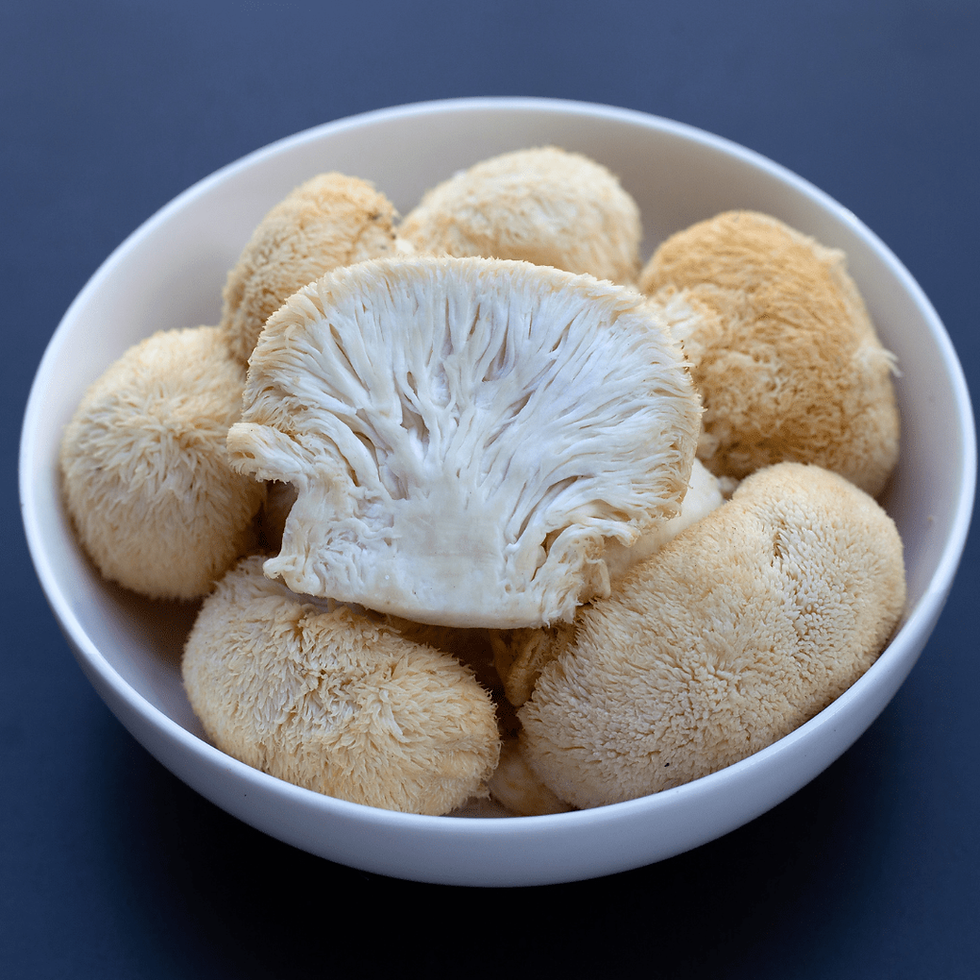
Here's the short answer: No, mushrooms are not vegetables botanically. They're fungi, which means they belong to an entirely separate biological kingdom from plants. While vegetables come from the plant kingdom, think carrots (roots), spinach (leaves), broccoli (flowers), or tomatoes (fruits), mushrooms are more closely related to yeast and mold than they are to any garden vegetable.
But before you start rearranging your mental grocery list, there's a big but. In nutrition and culinary practice, mushrooms are classified and used as vegetables. Major dietary guidelines, including the USDA's MyPlate, group mushrooms with vegetables for meal planning purposes. Nutritionists, chefs, and even your grandmother treat them as vegetables because of how they're prepared, where they're sold, and the role they play in your diet.
So yes, mushrooms are fungi. And yes, for all practical purposes in the kitchen and on your plate, they count as vegetables. It's one of those delightful quirks where biology and everyday life don't quite line up, and that's okay.
What Makes a Vegetable, a Vegetable
To understand why mushrooms get the vegetable treatment, you need to know what we mean by "vegetable" in the first place. Biologically speaking, vegetables are edible parts of plants. That can include roots (like carrots and beets), stems (celery, asparagus), leaves (lettuce, kale), flowers (broccoli, cauliflower), seeds (peas, corn), and even fruits used in savory cooking (tomatoes, peppers, squash).
But here's where it gets interesting: nutritionally, the definition is looser. Guidelines like MyPlate define the vegetable group not by strict botanical rules, but by how foods are typically used in meals. If it's savory, low in sugar, and plays a supporting role on your dinner plate, it usually gets lumped in with vegetables, even if a botanist would disagree.
This practical approach is why tomatoes and cucumbers, which are technically fruits, show up in the vegetable group. And it's the same reason mushrooms, even though being fungi, earn a spot there too.
Why Are Mushrooms Thought to Be Vegetables?
Mushrooms look and act like vegetables in almost every way that matters to you as a cook or eater. Walk into any supermarket, and you'll find them sitting in the produce section, right next to the bell peppers and zucchini. You sauté them, toss them in salads, add them to pasta, and use them as pizza toppings, all classic vegetable moves.
From a nutritional standpoint, mushrooms fit the vegetable profile too. They're low in calories, contain fiber and a handful of important vitamins and minerals, and work beautifully in savory dishes. Nutrition experts and dietary guidelines count mushrooms with vegetables because it makes meal planning simpler and more intuitive. When you're trying to eat more veggies, adding mushrooms to your plate is a win.
So even though mushrooms aren't plants, they've earned their place in the vegetable world through sheer utility and habit. And honestly? That's a distinction most of us can live with.
How Nutritious Are Mushrooms?
If you've been treating mushrooms as just another vegetable, you're already on the right track, they pack a surprising nutritional punch for something so low in calories. A cup of raw white mushrooms contains only about 15–20 calories and almost no fat, yet delivers a modest amount of fiber and protein (yes, fungi have protein).
Where mushrooms really shine is in their micronutrient profile. They're an excellent source of several B vitamins, including riboflavin (B2), niacin (B3), and pantothenic acid (B5), all of which play key roles in energy metabolism. You'll also get a good dose of selenium, a powerful antioxidant mineral, along with copper and potassium, nutrients that many people don't get enough of.
But here's the coolest part: mushrooms are one of the very few non-animal food sources of vitamin D. They naturally contain ergosterol, a compound that converts to vitamin D₂ when exposed to UV light. Some mushrooms sold in stores are treated with UV light specifically to boost their vitamin D content, and those varieties can contribute significantly to your daily needs. If you're vegetarian, vegan, or just don't get much sun, UV-treated mushrooms are a smart addition to your diet.
Health Benefits
Beyond the basics, mushrooms bring a host of potential health benefits to the table. Research suggests that they can help you meet your intake of underconsumed nutrients like potassium, fiber, and vitamin D, all of which are linked to better overall diet quality.
Mushrooms also contain a range of antioxidants and bioactive compounds, things like ergothioneine and polysaccharides, that may support your immune system and help reduce oxidative stress in the body. While more research is always welcome, the evidence so far points to mushrooms being more than just a tasty filler. They're a legitimate functional food that can contribute to long-term health.
In short, don't underestimate the humble mushroom. It may not be a vegetable by the book, but it's a nutrient-dense powerhouse that deserves regular rotation in your meals.
What Are Some Ways to Cook Mushrooms for Daily Eating?
One of the best things about mushrooms is how versatile they are. Whether you're a seasoned cook or just getting comfortable in the kitchen, there are endless ways to work them into your everyday eating.
Sautéing is probably the easiest and most popular method. Heat a little olive oil or butter in a pan, toss in sliced mushrooms, season with salt, pepper, and maybe a pinch of garlic or thyme, and cook until they're golden and tender. Use them as a topping for scrambled eggs, steak, chicken, or grain bowls, or just eat them straight as a simple, satisfying side.
Mushrooms are also perfect for stir-fries, soups, stews, and pasta dishes. They add umami depth and a meaty texture that makes plant-forward meals feel hearty and complete. Toss them into tacos, layer them in lasagna, or stir them into risotto.
If you want to get a little fancier, try roasting or grilling them. Portabella caps, in particular, make excellent burger substitutes, marinate them, grill them, and stack them on a bun with your favorite toppings. They're substantial enough to feel like a real meal, not just a side thought.
Here's a trick more home cooks are catching onto: finely chop mushrooms and blend them with ground meat. This works especially well in burgers, meatballs, and meat sauces. You'll cut down on the amount of meat you're using, boost the nutrient content, and add moisture and flavor. It's a win-win-win.
Are Mushrooms a Good Substitute for Vegetables?
So, can you just eat mushrooms and call it a day on your veggie intake? Not quite. Mushrooms can absolutely count toward your vegetable servings in most dietary patterns, and they're a fantastic way to boost nutrient diversity. But they don't offer the full spectrum of nutrients and phytochemicals you'd get from a variety of colorful plant vegetables.
For example, mushrooms don't provide the vitamin C of bell peppers, the beta-carotene of carrots, or the folate of leafy greens. They're a valuable piece of the puzzle, but they work best alongside other vegetables, not in place of them.
Think of mushrooms as a complement to your veggie lineup, not a replacement. Variety is still king when it comes to building a nutrient-rich, health-supporting diet.
Final Thoughts
So, are mushrooms vegetables? Botanically, no, they're fungi, members of their own fascinating biological kingdom. But in your kitchen and in nutrition practice, they're treated as vegetables, and for good reason. They're sold in the produce aisle, used in savory dishes, and packed with vitamins, minerals, and bioactive compounds that support your health.
Whether you're sautéing them for breakfast, grilling portabellas for dinner, or sneaking them into a meat sauce, mushrooms are a nutrient-dense, versatile ingredient that deserves a regular spot on your plate. They may not technically be vegetables, but they play the part so well that the distinction hardly matters.
Next time someone asks if mushrooms are vegetables, you can confidently say: "Not exactly, but close enough." And then go make yourself a delicious mushroom stir-fry.
Frequently Asked Questions
Are mushrooms vegetables or something else?
Mushrooms are not vegetables botanically—they're fungi belonging to a separate biological kingdom. However, nutritionists and dietary guidelines like USDA's MyPlate classify mushrooms as vegetables because of their culinary use, nutritional profile, and role in meal planning.
What makes mushrooms nutritious compared to regular vegetables?
Mushrooms are low in calories yet rich in B vitamins, selenium, copper, and potassium. They're also one of the few non-animal sources of vitamin D, especially when UV-treated, making them uniquely nutritious among plant-based foods.
Can I eat mushrooms instead of vegetables to meet my daily nutrition needs?
While mushrooms count toward vegetable servings, they shouldn't replace other vegetables entirely. They lack vitamin C, beta-carotene, and folate found in colorful produce. Use mushrooms as a complement to, not a substitute for, a varied vegetable intake.
What's the best way to cook mushrooms for everyday meals?
Sautéing is the easiest method—cook sliced mushrooms in olive oil or butter with salt and garlic until golden. You can also roast, grill, add them to stir-fries and soups, or blend them into ground meat for added nutrition and moisture.
Why are mushrooms sold in the produce section if they're not plants?
Mushrooms are placed in produce sections because they're used like vegetables in cooking—savory, low-calorie, and served in similar dishes. This practical placement reflects culinary habits and nutritional guidelines rather than strict botanical classification.
Do all mushrooms contain vitamin D naturally?
Mushrooms naturally contain ergosterol, which converts to vitamin D₂ when exposed to UV light. Some store-bought mushrooms are UV-treated to boost vitamin D content significantly, making them especially valuable for vegetarians, vegans, or those with limited sun exposure.